All Categories
Featured
Table of Contents
Digital transformation is a tactical restructuring of an organization developed on innovation, incorporating processes, culture, consumer experience, and governance models. Although this term has been utilized thoroughly in discussions, tenders, and technique sessions over recent years, it eventually comes down to a really concrete question: can a business rapidly change the method it runs when the market, client habits, or new innovations require it? It is essential not to puzzle change with automation they are not the same.
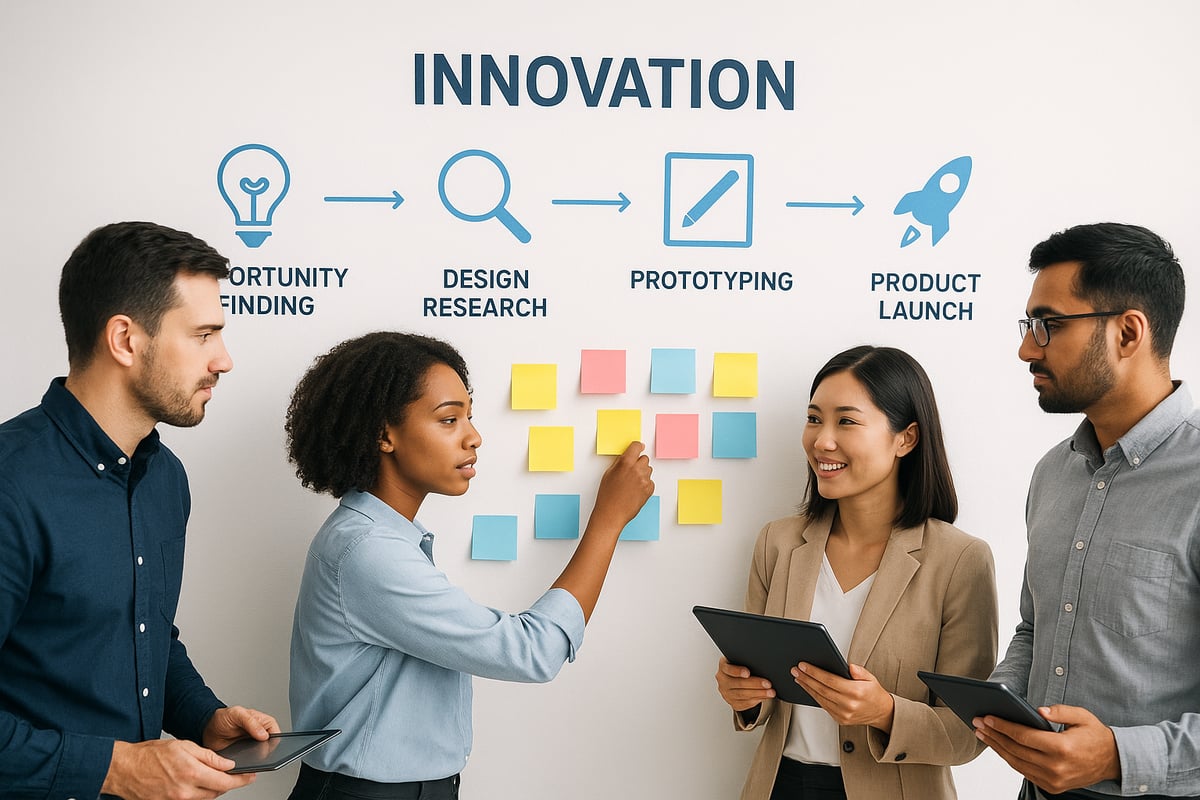
Replacing paper applications with an online kind, introducing a chatbot rather of a call center, or executing a CRM so supervisors no longer track clients in notebooks. Improvement is an even more essential process. It is not practically carrying out a CRM, but about relocating to a totally transparent sales model.
Not simply launching a consumer app, but producing a brand-new sales channel that is personalized in genuine time. In other words, we are speaking about changing the internal reasoning of the organization when a business moves far from running by inertia and begins making choices based upon information. In 2026, organization owners no longer need to be encouraged of the value of digital change.
The Complete 2026 Enterprise Transformation Roadmap
What does this mean in truth? Consumers anticipate simpleness, speed, and openness. Markets alter in months, not years. And teams need to be able to adapt and adjust processes to brand-new conditions. Companies that comprehend the worth of digital change now operate with confidence without extreme approvals, without handbook control, without gaps between marketing and operations.
Others, meanwhile, invest time on limitless discussions, looking for the right information in Excel spreadsheets, and as a result stop working to make quick and effective tactical choices. The genuine advantage of transformation is not stylish tools, however the clarity it brings lastly seeing what is happening inside the organization and understanding how to influence it.
Installing brand-new software application is like changing the phase set in a theater and anticipating the performance to enhance. Digital change is far wider: the script should be reworded, functions rethought, and stars retrained to perform in a different way. And all of this takes place not throughout rehearsal breaks, however live, throughout the performance itself.
Just when all of them work in positioning does improvement stop appearing like yet another technical job and start providing real organization impact. It is at the intersection of these parts that digital change trends emerge determining who sets the pace and ends up being the primary character, and who remains in the audience.
It specifies the speed of change, the dependability of procedures, and the capability to scale without interruptions. Modular IT architecture that is easily versatile and does not disrupt company operations with every upgrade.
Future Corporate Innovation Cycles for 2026
Business procedures are the functional logic of a business. If they are chaotic, even the finest system will not be able to make the work effective.
Automate what does not require human decision-making. The objective is not simply to enhance, however to minimize functional noise, accelerate response times, and make procedures scalable. That releasing a new product takes 3 weeks rather of 6 months. So that consumers do not wait a day for a reaction, but get it within minutes.
Browsing the Complexities of Worldwide Innovation Hub ManagementWithout a modification in mindset, change does not work. The company should discover to reside in a mode of constant change: exploring, accepting feedback, and rapidly changing direction. Organizational culture should support change. a different model of leadership (service instead of control), advancement of digital literacy within the team, desire to work with data and openness.
Digital change makes no sense if the customer does not feel it. Technically, everything may look ideal: brand-new systems carried out, procedures automated, polished dashboards in place. But if the consumer still waits 2 days for order confirmation, gets confused by payment alternatives, or needs to call to receive an easy response, this is poor improvement.
Essential Operational Guide for Building Innovation
Consumer experience is an end-to-end logic: from the very first click the website to post-purchase assistance. Change must link these touchpoints into a single, consistent system, where each action is a sensible extension of the previous one. The customer does not assess transformation itself, but convenience, speed, and a sense of control.

Latest Posts
Maximizing ROI through Connected Digital Developments
Will the Hub Sustain 2026 Innovation Cycles?
Why Digital Centers Are Essential for 2026